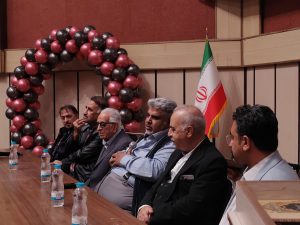

The textile industry in Iran faces a multitude of complex and widespread challenges. From market stagnation to structural barriers and the failure to integrate modern and innovative methods, these problems are deeply entrenched.
Challenges Facing the Iranian Textile Industry
The difficulties confronting the textile industry in Iran are increasingly expanding. One of the most significant challenges is the reduction in consumers’ purchasing power and a shift in consumption patterns towards essential goods. This has led to a sharp decline in demand for industrial products such as clothing and textiles. Textile factories are grappling with reduced production capacity and accumulating inventory in warehouses, as a large portion of society can no longer afford these products. This issue is particularly exacerbated by rampant inflation and the continuous rise in prices.

Furthermore, inappropriate currency policies and ineffective management in energy supply have delivered two lethal blows to the textile industry. Frequent electricity outages, which often occur during peak consumption times for factories, result in significant damage to machinery and production lines, disrupting the entire manufacturing process.
Financial issues and liquidity shortages have also contributed to the worsening predicament of the textile industry in Iran. According to industry professionals, a sharp decline in investments and difficulties in securing raw materials have placed the industry on the brink of collapse. For instance, many textile factories are unable to procure essential raw materials such as synthetic fibers, yarn, fabric, and dyes, resulting in halted production lines or operations at extremely low capacities.
Structural Threats and Challenges to the Industry
- High production costs
- Lack of modernization and development
- Traditional distribution networks
- Weak branding
- Cultural and social limitations
- Absence of clear vision and goal-setting
- Preference for foreign goods
- Weak product design
- Use of outdated textile machinery
- Failure to keep up with new technologies and innovations
- Non-systematic approach
- Lack of export planning
- Inadequate government support for domestic producers
- Issues with value-added tax (VAT)
- Restrictions on domestic brands
- Limited access to raw materials
Suggested Solutions for Overcoming the Challenges of the Iranian Textile Industry
To address the challenges of the textile industry in Iran, it is necessary to implement sound decisions and incentives at the macro level.
- Reforming labor and social security laws
- Amending laws related to the social security insurance of apparel suppliers and contractors
- Encouraging apparel brands
- Developing specialized training in production, productivity, and quality within the garment industry
- Attracting investments and international collaborators for domestic production

- Officially recognizing production without factories and allowing apparel brands to operate within various categories, which can foster the development of small and startup businesses
- Streamlining the process of issuing operating licenses for apparel brands, reducing administrative barriers, and accelerating business growth
- Recognizing the apparel industry as a “green industry” and granting operating licenses to large workshops, which can encourage producers to adopt cleaner technologies
- Implementing necessary incentives for manufacturers and reducing underground production, which can increase competitiveness and reduce smuggling
- Gradually introducing product identification systems in line with the executive regulations of Article 13 of the Anti-Smuggling Goods and Currency Law
Overcoming the challenges facing the Iranian textile industry requires a comprehensive and multi-faceted strategy, where producers, suppliers, government entities, and consumers all play their part. This strategy should be based on innovation, quality improvement, cost reduction, and increased competitiveness.